
What Is Zero-Click Search and How Does It Affect SEO?
Zero-Click Search is transforming the way people interact with search engines. Instead of visiting websites to find answers, users increasingly receive the information they need directly on the search engine results page (SERP).
This shift means that even when your content ranks highly, users may never actually click through to your site. For businesses relying on organic traffic, this creates a new challenge and a new opportunity. Understanding how Zero-Click Search works and how it influences SEO performance is essential for staying competitive in today’s AI-driven digital ecosystem.
If you’re working with a professional Digital Marketing Agency in Kochi, adapting to this evolution should already be part of your long-term strategy. SEO is no longer just about ranking first. It is about visibility, authority, and strategic positioning within search features.
Understanding the Rise of Zero-Click Search
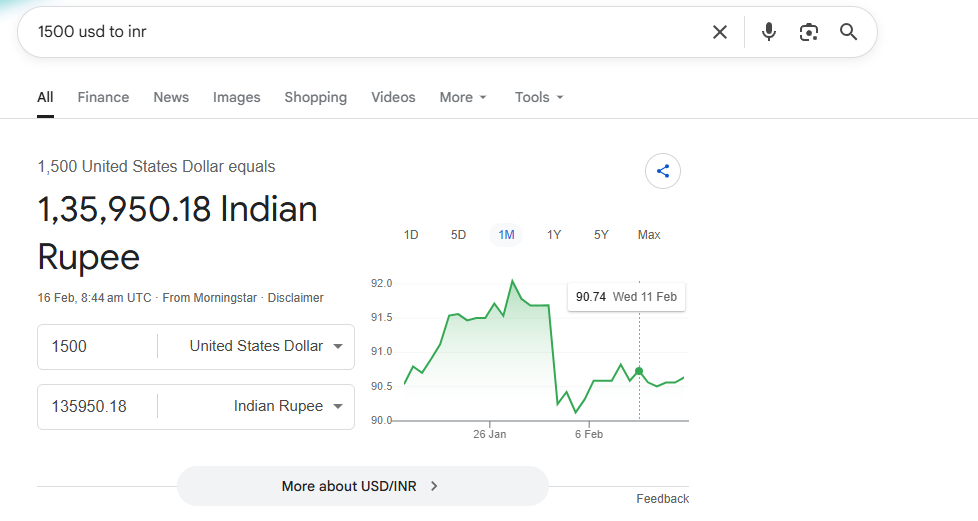
Zero-Click Search refers to a search query where the user finds the answer directly on the search results page without clicking on any website link.
This happens through features such as featured snippets, AI-generated summaries, knowledge panels, instant answers, local packs, and People Also Ask sections. Search engines aim to provide faster, more convenient experiences. When users get immediate responses, their journey becomes shorter and frictionless.
The growth of artificial intelligence has accelerated this shift. Search engines now summarize content from multiple sources and display concise, structured answers at the top of results. As a result, traditional blue-link rankings receive less attention.
Mobile behavior also plays a major role. On smartphones, users prefer quick, scroll-free answers. Voice search further reinforces this behavior by delivering a single spoken response rather than multiple website options.
Zero-Click Search is no longer limited to simple definitions or facts. It now affects product comparisons, service explanations, and even strategic business queries. This evolution means SEO strategies must adapt to maintain both visibility and engagement.
How Zero-Click Search Influences SEO Performance
Zero-Click Search has a profound effect on SEO metrics. Historically, ranking first on Google meant more traffic. Today, ranking in the top position does not guarantee clicks.
The most immediate effect is declining click-through rates (CTR). Even when a page ranks first, featured snippets or AI overviews may answer the user’s question before they feel the need to visit your website. Impressions may increase, but clicks can decrease.
Another significant impact is the shift toward intent-focused optimization. Search engines prioritize context and semantic understanding over exact keyword matches. Websites that provide structured, authoritative, and clear content are more likely to appear in rich results.
Modern SEO requires a broader focus:
- SERP feature visibility
- Branded search growth
- Engagement quality
- Conversion performance
Optimizing for Zero-Click Search involves creating content that is clear, structured, and easy for AI to interpret. Partnering with expert SEO specialists ensures your website is prepared for these SERP features. Combining SEO with a robust Content Marketing strategy further improves your chances of being featured in snippets and AI summaries.
Why Zero-Click Search is Increasing Rapidly
Zero-Click Search continues to grow because search engines are designed to prioritize speed, convenience, and user satisfaction. Several key factors are driving this shift:
- User Convenience Comes First
Search engines aim to deliver answers instantly. The faster users find what they need, the better their overall experience. - AI-Powered Understanding of Queries
Modern AI models interpret conversational searches and long-tail questions more accurately. Instead of showing multiple links, search engines now generate summarized responses directly on the results page. - Growing User Trust in Search Engines
When users consistently receive accurate answers, they begin relying on search engines without needing to visit external websites. Over time, this reduces traditional browsing behavior. - Rising Content Competition
With more businesses publishing content daily, search engines prioritize only the most authoritative and well-structured sources for featured visibility. - Expansion of Voice Search and Smart Assistants
Voice devices typically provide a single spoken answer. This naturally encourages Zero-Click Search behavior since users receive immediate responses without additional browsing.
As artificial intelligence continues to evolve, this trend will accelerate. Businesses that recognize and adapt to this shift early position themselves for long-term visibility and strategic advantage.
Strategic Ways to Optimize for Zero-Click Search
Optimizing for Zero-Click Search requires a mindset shift. Instead of focusing only on driving clicks, businesses must focus on maximizing visibility and authority within search results.
- Structure Content Clearly
Organize your content into short paragraphs with direct, precise explanations. Search engines extract concise answers for featured snippets and AI summaries. Each section should clearly respond to a specific user question. - Focus on Semantic DepthAvoid repeating the same keyword unnaturally. Instead, cover related subtopics thoroughly. This builds topical authority and improves your chances of being selected as a trusted information source.
- Implement Schema Markup
Structured data helps search engines understand your content better. FAQ schema, article schema, and properly formatted headings increase eligibility for rich results and enhanced SERP visibility. - Strengthen Brand Authority
Consistent visibility in snippets and summaries builds recognition. Even if users don’t click immediately, repeated exposure increases trust and improves long-term brand recall. - Align Content with Search Intent
Informational searches require clear and concise answers. Commercial searches demand deeper explanations and differentiation. Matching your content to user intent improves both visibility and conversion potential.
Zero-Click Search does not reduce the importance of SEO. Instead, it raises the standards of quality, clarity, and expertise required to compete effectively.
The Future of SEO in a Zero-Click Environment
The future of SEO lies in visibility-driven performance rather than traffic-driven metrics alone.
Impressions, brand mentions, and SERP dominance are becoming critical indicators of success. Businesses must adapt their reporting frameworks accordingly.
High-performing SEO strategies now include:
- Intent mapping
- Topic clustering
- Entity optimization
- Experience-focused content design
Content must demonstrate expertise, authority, and trustworthiness. Search engines reward brands that consistently deliver accurate, well-structured information.
While Zero-Click Search may reduce superficial traffic, it increases qualified engagement when executed correctly. Users who eventually click are often more informed and closer to making decisions.
This shift benefits brands that prioritize strategy over shortcuts.
Conclusion
Zero-Click Search is changing how users interact with search engines. While direct clicks may decline, it presents a valuable opportunity to boost brand visibility, authority, and long-term engagement. Optimizing content with structured data, semantic depth, and clear alignment with search intent ensures your pages appear in featured snippets, knowledge panels, and other SERP elements that capture attention immediately.
Businesses that embrace Zero-Click Search today will lead in SEO tomorrow. Partnering with experts like Brandlabz, a trusted Digital Marketing Agency in Kerala, helps create AI-ready content and strategies that ensure sustained online visibility, stronger brand recognition, and a competitive advantage in a rapidly evolving search landscape.
FAQs
What is Zero-Click Search in simple terms?
Zero-Click Search happens when users get their answers directly from the search results page without clicking on any website.
Does Zero-Click Search reduce website traffic?
It can reduce clicks for informational queries, but it can also increase brand visibility and authority when optimized correctly.
How can I optimize for Zero-Click Search?
Focus on structured content, clear answers, schema markup, and search intent optimization.
Is SEO still important with Zero-Click Search?
Yes. SEO is evolving, not disappearing. Optimizing for visibility within SERP features is now essential.
Do featured snippets cause Zero-Click Searches?
Yes, featured snippets are one of the main contributors to Zero-Click Search behavior.
Will AI completely replace traditional search results?
AI will enhance search results, but high-quality content and strong SEO foundations will remain crucial.
Agency Partner


Contact Information
BrandLabz Digital Solutions Pvt. Ltd.
No.107, First Floor, Nippon Kerala Center,
Kinfra Hi Tech Park, Kalamassery,
Kochi, Kerala 683503